Modern automotive paint looks deep and glassy when new, yet it is surprisingly delicate. Clear coat is thin, often measuring 40 to 50 microns, and it lives a hard life. Grit, salt, and sand blast it on highways. Bug acids etch it in summer. Automatic car washes grind dirt into it. Even careful hand washing leaves faint swirls over time. Paint protection film, usually called PPF, exists to absorb that abuse so your paint does not have to.
Most owners find PPF when a rock chip shows up right on the hood after week one. Others come to it after years of babying a car, only to realize that normal use eventually wins. The film gives you a buffer, literally a sacrificial skin, between the world and the finish you paid for. Installed well, it is nearly invisible from arm’s length. It can be removed years later, revealing a surface that looks much closer to day one.
What paint protection film actually is
PPF is a multi-layer, optically clear urethane with a topcoat engineered to resist abrasion and heal minor marring with heat. The core is an aliphatic thermoplastic polyurethane. The top layer is a clear elastomer that softens slightly under warmth from the sun or hot water, then relaxes back into a smooth state. That self-healing behavior erases light swirls and small scuffs that would otherwise mark a clear coat.
Thickness typically ranges from 6 to 10 mils. That number matters. A 10 mil film offers more puncture resistance than a 6 mil film while remaining conformable enough for modern bumper shapes. Quality films carry multi-year warranties against yellowing and cracking, and the good ones maintain strong gloss or a consistent satin if you choose a matte variant.
Older films sometimes yellowed, especially on white cars. That was mainly due to aromatic polyurethane chemistry and weaker UV inhibitors. Premium films today are aliphatic, more stable, and far less prone to discoloration. Yellowing is still possible on neglected vehicles exposed to harsh contaminants, but it is rare with proper maintenance.
Where PPF helps the most
The leading panels take the hits. Front bumpers, hoods, fenders, mirror caps, rocker panels, and the area behind the rear wheels see the brunt of road rash. A “front clip” package that covers these zones stops the majority of rock chips an owner would otherwise collect during highway driving. Door edges, trunk sills, and the top of the rear bumper benefit from narrow strips that prevent suitcase and belt rash.
Full body wraps are common on high-end sports cars and daily drivers that rack up serious mileage. Beyond protection, a full body install locks in uniform gloss and makes washing easier because all panels share the same slick topcoat. Matte PPF on a gloss paint can transform the look while preserving reversibility. If a trend passes, the film comes off and the original finish remains intact.
One client who commuted 60 miles a day on gravel-strewn highways brought in a midsize SUV with 2,000 miles and already-visible peppering on the front bumper. After a bumper and hood install, the following winter produced the usual sandblasting, yet the chips stopped. Three years later, the film had hundreds of pinhead marks that would have been in the paint. Removing one sacrificial layer was far cheaper and cleaner than repainting the original parts.
The quiet economics that make it worth it
PPF is not inexpensive. A good front clip commonly runs 1,200 to 2,500 dollars depending on the vehicle, coverage, and film. Full body coverage ranges from roughly 4,500 to 8,000 dollars or more on complex body shapes. That sounds steep until you price a proper repaint of a modern bumper with blending into adjacent panels. A single repair, done correctly, often costs 700 to 1,800 dollars. Two such repairs exceed a typical front clip install, and there is no guarantee the color match and orange peel will look factory.
Depreciation is another factor. Buyers value original paint. On certain vehicles, clean factory finish versus repainted panels can swing both selling price and days on market. For daily drivers, the economics are quieter but still real. PPF pushes back the timetable for paint correction and touch-ups. It also raises the ceiling for how clean a vehicle can look after several years because you are not chasing permanent etching, chips, and stains embedded in the clear coat.
Why prep and technique matter more than film brand
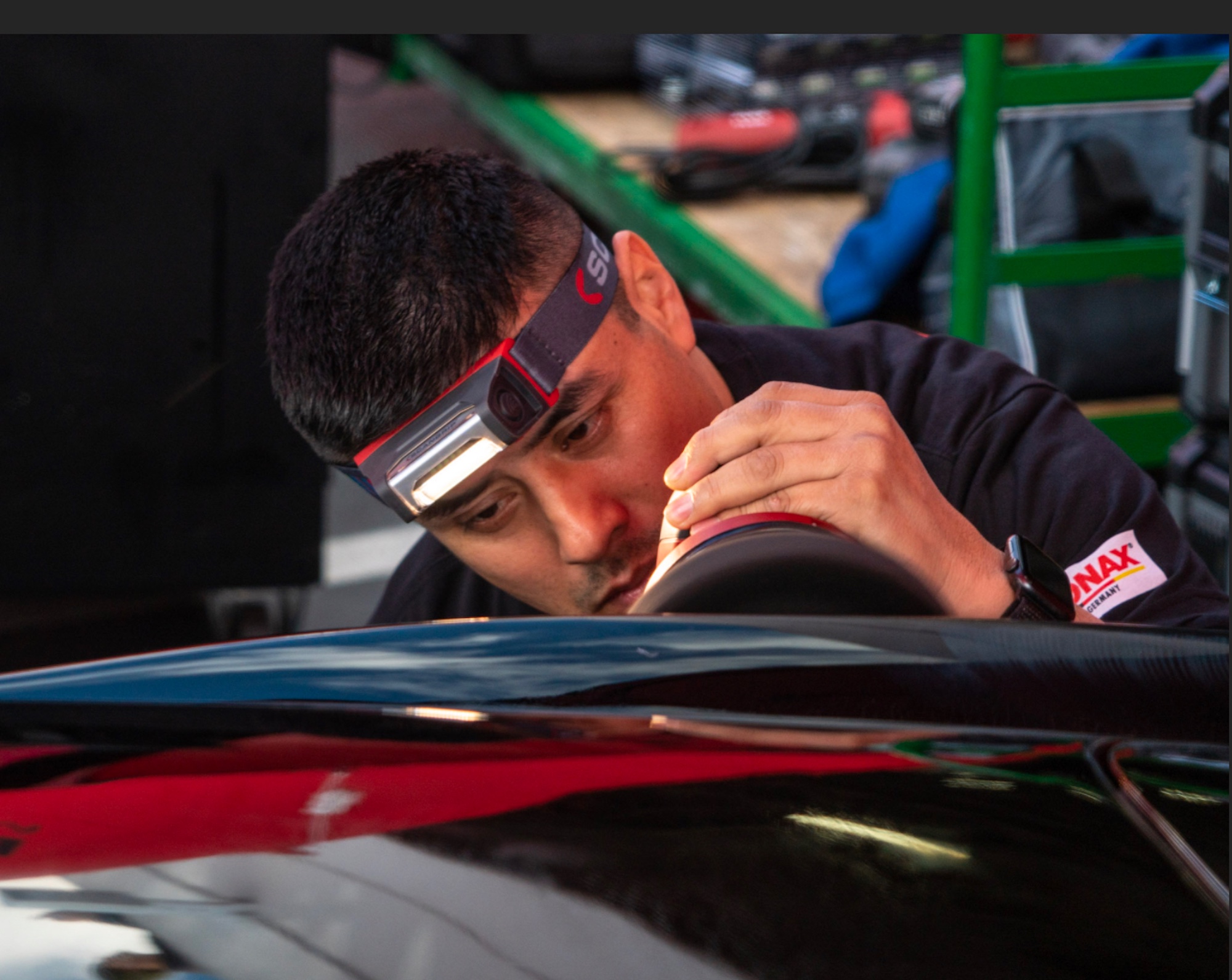
The urethane is only half the story. Surface prep and installation craft define how the film looks on day one and how it ages. The paint underneath should be surgically clean and as close to defect-free as practical. Any swirls, water spots, or etching will be trapped and slightly magnified by the extra optical layer. That is why paint correction before film is not fluff. Even a single-stage refinement can lift 60 to 80 percent of visible marring, and on dark colors that difference is night and day beneath a high-gloss film.
Patterns versus bulk install is another inflection point. Pre-cut patterns, plotted from a database, fit well and avoid cutting on the car. The trade-off is seam placement. Skilled installers often extend patterns, custom trim edges, or bulk wrap select areas for cleaner lines and deeper edge coverage. Wrapped edges reduce dirt buildup and make the protection less visible at a glance. A bumper with complex intakes may deserve a hybrid approach: pattern for large surfaces, bulk for tight recesses.

Environmental control matters. Humidity and temperature affect slip solution behavior and cure time. Dust control keeps nibs out from under the film. Strong panel lighting shows stretch lines, small lift points, and adhesive distortion before cure. These are the unglamorous details that separate a quick install from one that looks factory even under a detailer’s light.
How Os Pro Auto Detailing approaches preparation and installation
Os Pro Auto Detailing treats PPF as a system, not a sticker. Vehicles arrive for a full decontamination wash, paint iron removal, and clay treatment. Technicians map high-impact zones and note any chips or scratches that should be repaired or at least minimized. On dark paints, a one or two-step paint correction refines the surface to maximize clarity under film. Under strong LED bar lights, the team checks panel alignment and plans edges to avoid visible seams in normal viewing angles.
For most cars, Os Pro Auto Detailing blends plotted patterns with selective bulk wrapping. Pre-cuts are extended at edges to allow a safe tuck where the panel design supports it. Badges and trim pieces come off where feasible. On bumpers with deep recesses, heat management and anchor points are used to avoid overstretching the film. The team favors a “dry set” final positioning on high-visibility areas, letting the slip evaporate before squeegeeing to reduce the chance of bubbles telegraphing later.
PPF vs ceramic coating, and when each makes sense
Owners often compare PPF to a ceramic coating as if they do the same job. They do not. A coating is a hard, thin chemical layer measured in microns. It improves hydrophobic behavior, eases washing, and adds some chemical resistance. A coating does not stop rock chips or deep scratches. PPF, by contrast, is a physical barrier measured in mils. It takes the hit. Many owners choose both: PPF on high-impact panels, plus a ceramic coating on the rest of the car, including over the film to make cleaning simpler.
Here is a concise comparison that helps frame the decision:
- Primary function: PPF absorbs physical impact and abrasion. Ceramic coating improves surface slickness and chemical resistance. Thickness: PPF is 6 to 10 mils. Ceramic coating is fractions of a mil. Defect prevention: PPF stops chips and scuffs. Ceramic coating reduces wash marring but cannot prevent impact damage. Longevity: Quality PPF lasts 7 to 10 years. Coatings commonly last 2 to 5 years depending on product and care. Aesthetics: PPF can be gloss or matte and slightly levels orange peel. Coatings enhance gloss but mirror the paint’s existing texture.
If the car lives on a gravel driveway or does frequent highway miles, PPF on the front end is almost always the highest return. If the vehicle is garaged and driven sparingly, a ceramic coating alone can be plenty, especially paired with careful wash technique. Many daily drivers land in the middle: front clip in film, roof and doors coated.
Paint correction before film, not after
Correcting paint after film is installed makes no sense. The film hides the paint, and polishing the film itself is rarely advised. Light polishing is possible for certain films, but heavy correction risks heat and friction damage. All the cleaning, decontamination, and correction should happen before coverage. On a black sedan, for instance, a single refining step might take three to five hours and remove the veil of micro-marring that kills clarity. Under a quality film, that refined surface looks like a deep pool of paint, not a hazy mirror.
If chips already exist, decide whether to touch them up or leave them. Touch-up under film can be visible as a small bump, yet it also protects bare metal from corrosion. When the chip is small and the location is likely to be peppered anyway, many owners choose to leave it and let the film arrest further damage. For deeper chips, a careful fill and level before film is the safer path.
Where window tinting service and PPF intersect
Glass does not need PPF, but the desire for a cohesive look brings tint into the conversation. A professional window tinting service pairs well with film work because both benefit from clean environments and practiced hand skills. Heat rejection reduces interior fade and makes summer driving more comfortable. Matching shade levels between front and rear windows ties the car together aesthetically.
On vehicles with glossy black B pillars that are actually painted trim, a narrow strip of PPF can prevent micro-scratches from daily belt rub and wash mitts. These piano black pieces mar easily and polish thin. A small, nearly invisible section of film keeps them tidy long term.
What owners notice after the install
The first change is how washing feels. Dirt releases faster from the self-healing topcoat. Towels glide with less drag. Bugs soften with a soak and wipe off rather than etching in. That does not mean maintenance disappears. You still want a smart wash routine and periodic decontamination. The benefit is a wider margin for error. When a child scrapes a backpack across a door or a brush from a roadside bush kisses the paint, you are far less likely to wince.
One telling moment is the first winter after installation. Road salt and sand are harsh. Without film, rocker panels and the lower doors wear a fog of micro-chips that steal gloss. With film, those zones look used but not chewed, and the underlying paint remains intact. Come spring, a gentle hand wash and a light decon make the surface look fresh again.
Os Pro Auto Detailing’s care guidance for film owners
At Os Pro Auto Detailing, the handoff includes simple, durable advice. Avoid automatic brush washes. They load grit into soft brushes that cut micro-lines into both film and paint. Hand wash with a pH-neutral shampoo and clean mitts. Keep the pressure washer wand at a respectful distance from edges. If a stain or bug gut lingers, warm water and a soft microfiber pad usually solve it. For stubborn water spots, a film-safe water spot remover nudge helps, but avoid aggressive solvents.
For owners who prefer professional upkeep, a periodic car detailing service preserves the film’s topcoat characteristics. Light surface contamination that defeats home washing yields to targeted decontamination, and the detailer can inspect edges and high-wear areas. Pairing this with a ceramic coating on top of the film makes maintenance even easier. The coating gives you hydrophobic behavior, faster drying, and less dirt adhesion, while the PPF continues to handle the impacts.
A short, practical checklist helps new owners develop habits that keep the film looking its best:
- Wash in the shade with cool panels, using two clean wash mitts for upper and lower sections. Keep a gentle distance with pressure washers, especially at edges and around badges. Soften bug splatter with warm water or a dedicated pre-soak before wiping. Use plush, clean drying towels and a drying aid to reduce towel contact. Inspect high-impact zones every few months and address lifted edges early.
Mobile detailing and living with PPF long term
Not everyone has time for meticulous maintenance. Mobile detailing fills that gap. A competent mobile team brings deionized water, filtered air, and gentle tools to your driveway. This reduces time between washes and helps prevent the slow creep of bonded contamination that dulls film over the years. A quarterly wash and decon cadence, even without heavy polishing, maintains clarity and keeps edges tidy.
Owners sometimes worry about film longevity. Realistically, seven to ten years is a fair expectation for premium films, with climate and care shaping the outcome. In hot, high-UV regions, the topcoat works harder. Parking in shade, keeping the car clean, and avoiding harsh chemicals lengthen the service life. When it is time to remove the film, technicians use controlled heat and peel angles to lift it without tearing or leaving adhesive. If the paint underneath was sound and original, it emerges in excellent shape.
Where a paint correction or ceramic-only route still wins
PPF is not the right move for every vehicle. Cars with fading or repainted panels that already have adhesion issues can be poor candidates. The film’s adhesive is strong, and on weak paint it can pull at edges during removal years later. Extremely budget-conscious projects also might benefit more from a careful paint correction and a durable ceramic coating. That combination provides rich gloss, easy cleaning, and respectable marring resistance at a lower upfront cost, though it will not stop chips.
There is also personal preference. Some owners have a keen eye for film edges and prefer a naked paint look. On light colors with low contrast, small chips can be less noticeable. When a vehicle sees city speeds and parking garages rather than interstates, a coating-centric plan can meet the use case without overspending.
Selecting film type and coverage, making smart choices
Gloss films suit most vehicles. They enhance depth and can slightly level factory orange peel, depending on the brand and thickness. Matte films over gloss paint create a satin look that is striking yet reversible. On colors like Nardo gray or olive green, a matte wrap can shift the car into a more purposeful aesthetic without repainting. Textured or colored PPFs exist, but their longevity and visual stability vary more widely than clear films.
Coverage selection ties to risk exposure. If your commute runs through construction and gravel, front clip is minimum. If paint preservation is paramount, full body is the complete solution. Wheels and calipers benefit from a ceramic coating rather than film, making them easier to clean and resistant to brake dust staining. Headlights are excellent candidates for PPF; they are expensive to replace, and film saves them from sand pitting that fogs the lenses.
How Os Pro Auto Detailing evaluates edge cases and solves problems
Not every car presents a textbook install. At Os Pro Auto Detailing, the team has dealt with complex bumper designs that hide parking sensors in tight creases, vintage cars with brittle trim, and new vehicles that arrived with dealer-installed pinstripes right where the film should wrap. In strange cases like these, the approach is to slow down, test-fit film sections, and decide whether a seam or a partial disassembly produces the cleaner long-term result.
A memorable case involved a dark blue coupe mobile detailing with unusually soft factory paint. Even careful washing left faint marks. The owner did not want a full body wrap, but the doors and rear quarters were the sore spots. The solution was a tailored package: full front clip, rocker panels, partial quarters, and a narrow beltline strip along the doors at hand height. After a mild correction and the targeted film work, the owner reported that a year of daily driving produced none of the marks that had appeared in the first two weeks of ownership.
Integrating PPF with a broader car care plan
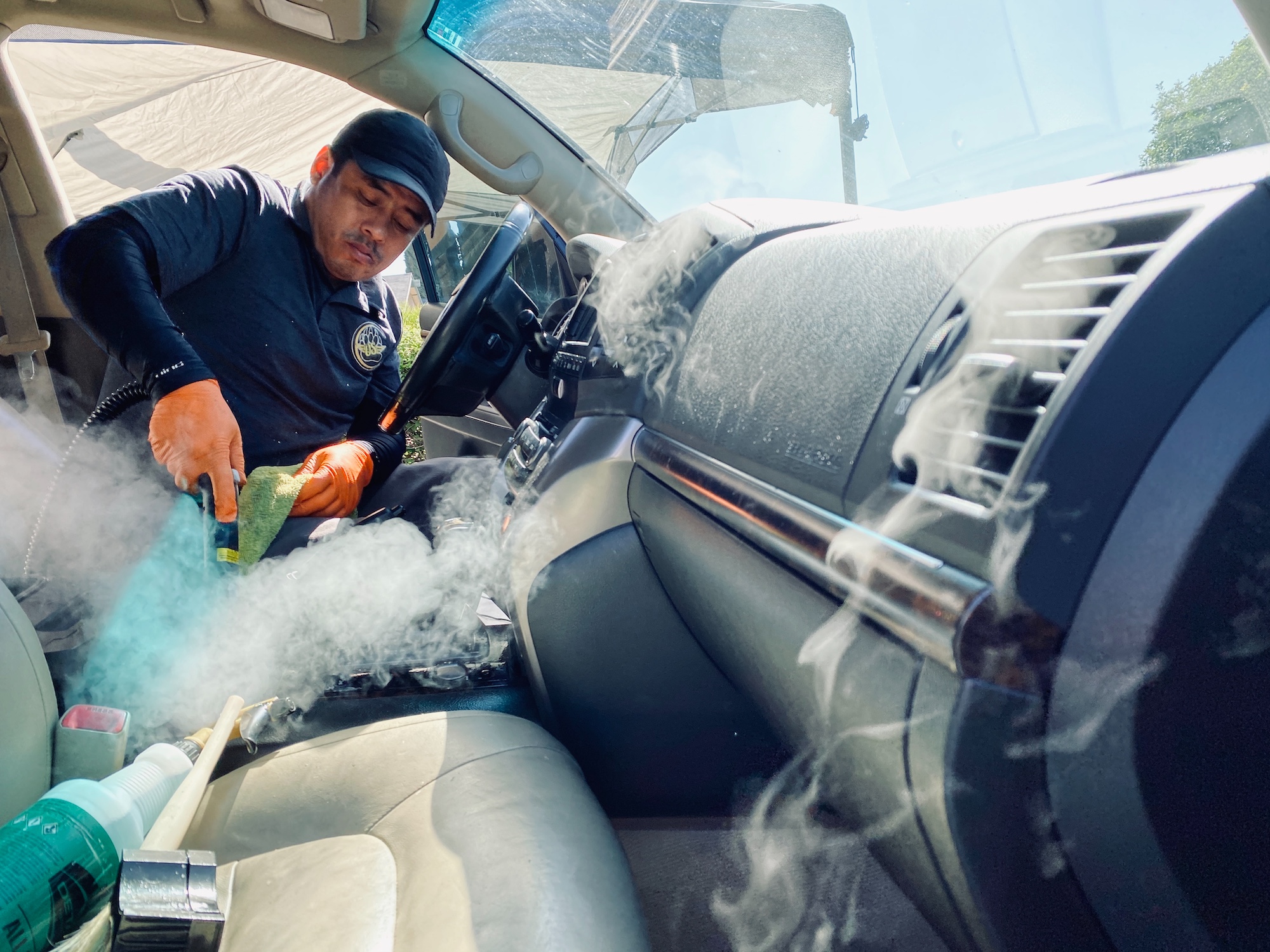
PPF works best as a piece of a complete approach. A quality car detailing service at regular intervals keeps the rest of the vehicle on the same level. Interior care matters, too. UV film on the windshield banner and side glass can reduce dash fade and help the cabin stay cooler, which spares leather and plastics. Proper wash tools, like gentle mitts, pH-balanced soaps, and clean drying towels, make the difference between a film that stays clear and one that slowly accumulates fine haze.
If you do add a ceramic coating, apply it to both painted and filmed panels for uniform behavior. Coatings bond well to modern PPF topcoats when the film is fully cured. That pairing creates a low-friction surface that resists dirt and water spotting better than bare film, especially in hard-water regions. Keep maintenance realistic. A wash every week or two, decon every few months, and an annual inspection gives the finish a long runway.
Common questions Os Pro Auto Detailing hears about PPF
Is it visible? Up close, trained eyes can find edges, particularly near tight panel gaps or where a seam is necessary. From a few feet away, a good install disappears. Under certain lighting, gloss film can add a touch of extra sheen.
Does it peel? Healthy film on sound paint does not spontaneously peel. Lifting can happen at edges that are frequently rubbed or blasted by pressure washers. Good edge wrapping, clean surfaces, and sensible washing prevent this.
Will it protect against door dings? No film can stop a hard parking lot impact that creases metal. It will soften minor kisses and prevent paint transfer from another car’s rubber trim, but it cannot defeat physics.
What about aftercare products? Use film-safe shampoos and sealants. Many ceramic sprays are compatible and add slickness. Avoid harsh tar removers on fresh film. If in doubt, test in an inconspicuous area or consult the installer.
How does removal work? Heat softens the adhesive. A steady pull at a low angle minimizes adhesive residue. On original factory paint, removal is typically clean. On resprayed panels with weak prep, risk rises.
Why the investment pays off for real-world drivers
A car that looks sharp is easier to live with. You spend less time fussing over small scars and more time driving. The return shows up quietly: fewer trips to the body shop, less angst during winter, better resale, and a finish that stays consistent across years of use. PPF is not magic, and it is not indestructible, but it is a thoughtful response to the way cars age in the real world.
Done well, film becomes part of the car’s fabric. It does not announce itself. It simply absorbs the blows, self-heals the scuffs that would have made you grit your teeth, and gives you the satisfaction of washing a car that still looks like it deserves the good towels. Pair it with smart maintenance, consider a ceramic coating on top, and lean on trusted pros when the situation calls for expertise. Over time, the investment just looks right every time you step back and take in the whole car.
Os Pro Auto Detailing
12748 NE Bel Red Rd, Bellevue, WA 98005
(206) 825-2040
FAQs
How long does ceramic coating last?
Ceramic coating typically lasts between 2 to 5 years, depending on the product used, vehicle condition, and how well the coating is maintained.
What is included in paint correction?
Paint correction involves removing surface imperfections such as swirl marks, light scratches, and oxidation through polishing. This process restores clarity and enhances the overall gloss of your vehicle’s paint.
Is ceramic coating worth it?
Yes, ceramic coating provides long-term protection against UV rays, contaminants, and environmental damage. It also makes cleaning easier and helps maintain your vehicle’s appearance over time.